
Dry Needling: A Literature Review With Implications for Clinical Practice Guidelines
Physical Therapy Reviews • 2014
Dunning J, Butts R, Mourad F, Young I, Flannagan S, Perreault T.
VIEW ON PUBMEDMeet the clinician behind PNRS™
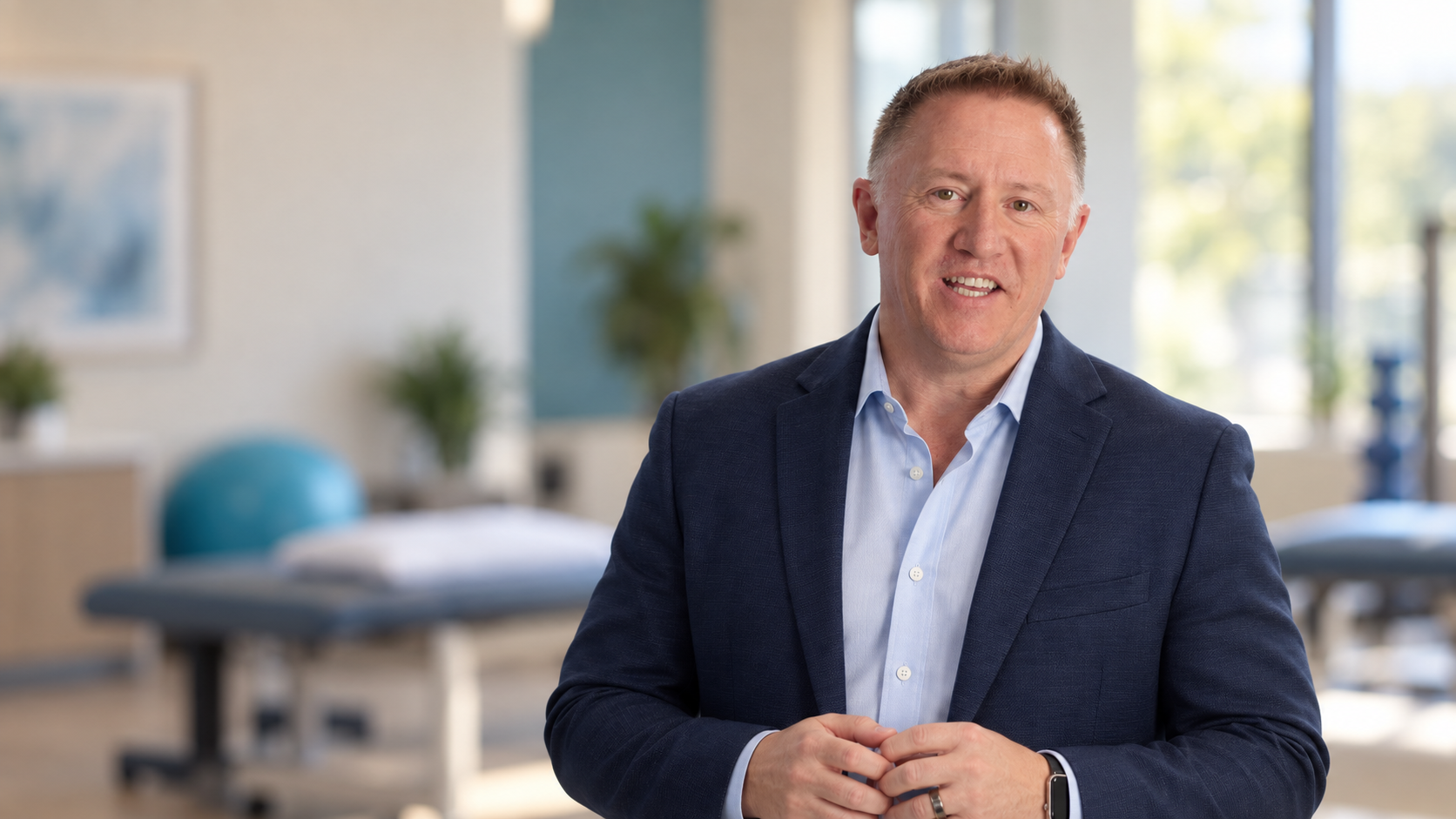
Dr. Sean O. Flannagan, PT, DPT
Doctor of Physical Therapy • Published Clinical Author • Clinical Educator • Developer of PNRS™
Dr. Sean Flannagan is a Doctor of Physical Therapy, published clinical author, educator, and developer of the Peripheral Neuropathy Reset System™. Since entering practice in 2002, he has worked across orthopedic, vestibular, pain, neuromuscular, and nervous-system rehabilitation.
His work with neuropathy grew from a recurring clinical question: if a patient is losing sensation, balance, strength, walking confidence, or function, why should progress be judged only by whether the pain changed?
Why he created PNRS
Over the years, Dr. Flannagan saw a recurring pattern in people with peripheral neuropathy.
They were often receiving help for pain or burning, yet many were also struggling with numbness, poor balance, weakness, walking changes, and a gradual loss of confidence.
Too many patients felt temporarily better without experiencing the meaningful functional changes that mattered most in everyday life.
That led Dr. Sean to begin asking a different set of questions.
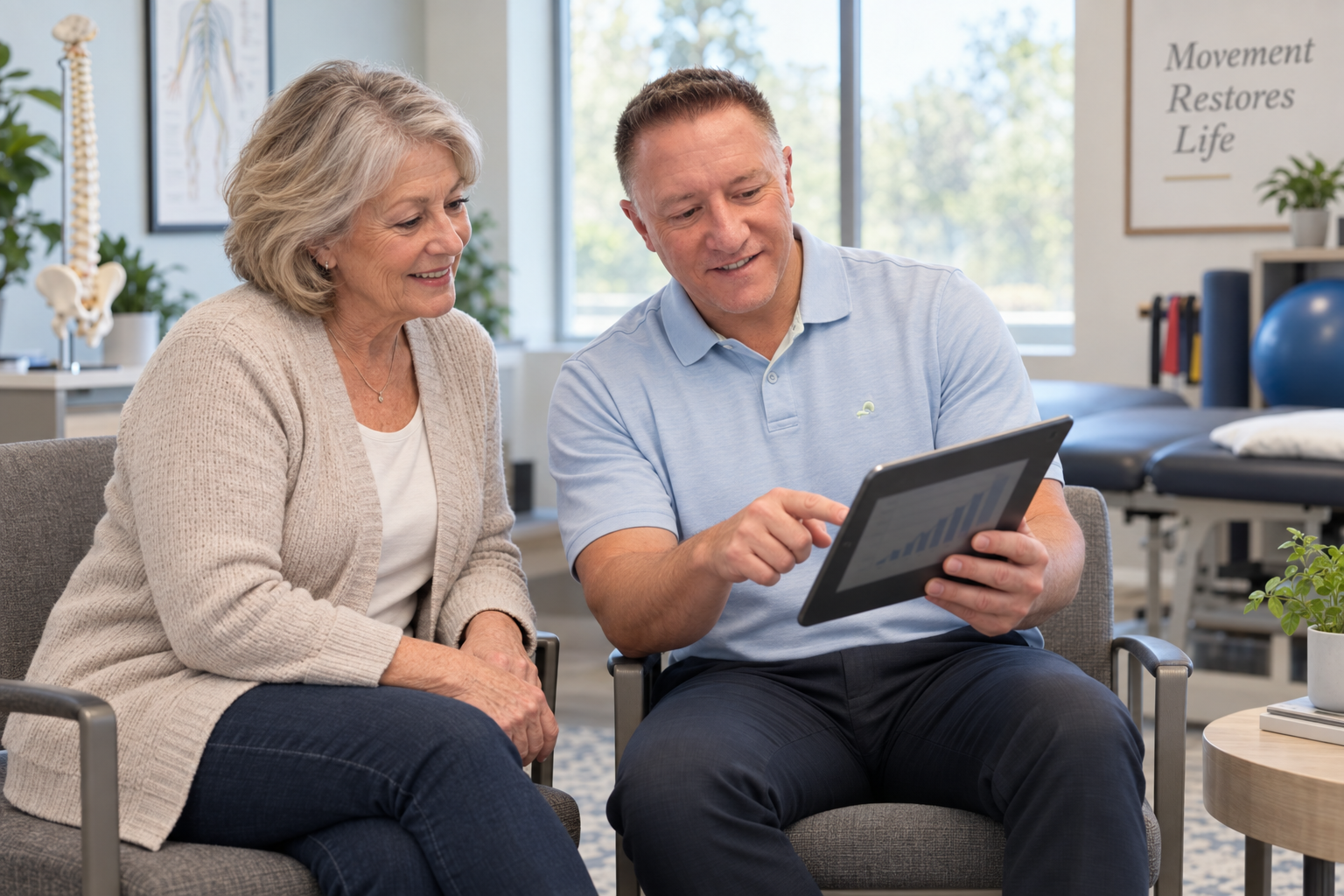
What has neuropathy actually changed?
What can still be measured?
What can still be trained?
How should progress be judged beyond pain alone?
Those questions became the foundation of the Peripheral Neuropathy Reset System™.
PNRS was developed as a structured rehabilitation approach that connects clinical evaluation with consistent home participation, progressive movement, sensory activation, balance and strength training, lifestyle support, and measurable progress tracking.
“Don’t just measure whether the pain changed. Measure whether the patient is actually functioning better.”
How he thinks differently
Dr. Flannagan’s clinical background spans orthopedic rehabilitation, balance and vestibular care, neuromuscular rehabilitation, therapeutic exercise, electrical stimulation, dry needling, movement retraining, and chronic pain rehabilitation.
That breadth matters because neuropathy does not affect every person in the same way.
Some people are primarily troubled by burning or tingling. Others are more concerned about numbness, weakness, poor balance, walking limitations, sleep disruption, or the fear of falling. Some symptoms that appear to be neuropathy may also involve spinal, vascular, orthopedic, metabolic, medication-related, nutritional, or other neurological factors.
Dr. Flannagan does not believe one device, supplement, or passive treatment can address every presentation. His approach is to evaluate what has changed, identify what may still be trainable or addressable, and build the appropriate level of support around the individual.
The goal is not to force every patient into the same protocol. It is to understand what the individual has lost, what may still be improved, and how progress should be measured.
The beliefs behind the system
Pain and burning matter, but so do numbness, balance, strength, walking, confidence, and independence.
Progress should consider both the patient’s symptoms and measurable changes in function.
Before accepting that nothing more can be done, determine what can still be evaluated, protected, trained, improved, and measured.
The plan must address the right problems and give the patient a practical way to participate consistently.
A clinician who also teaches clinicians
In addition to treating patients, Dr. Flannagan has taught and mentored physical therapists, developed accredited postgraduate clinical courses, and taught internationally for private organizations, sports teams, and universities.
His professional education has included spinal manipulation, orthopedic manual therapy, dry needling, electrical needling, pain science, clinical reasoning, and neuromuscular rehabilitation.
Dr. Flannagan has also contributed to professional work involving dry-needling education, scope of practice, and competency standards at both the state and national levels.
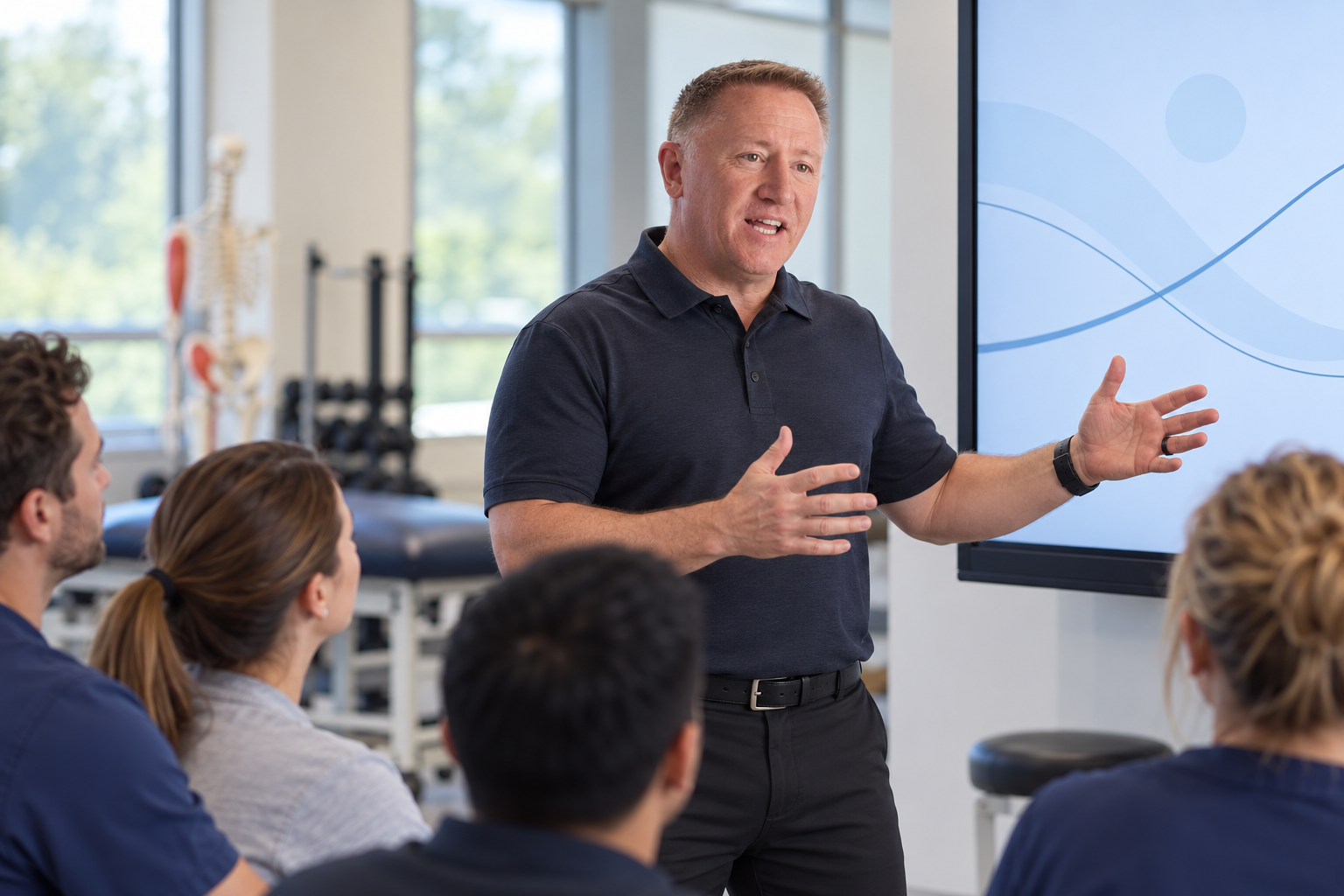
Taught internationally for private organizations, sports teams, and universities, with previous university teaching roles and orthopedic residency mentorship in physical therapy education.
Developer and instructor of accredited postgraduate education in manual therapy, spinal manipulation, dry needling, electrical needling, and clinical reasoning.
Contributor to the FSBPT Dry Needling Competency Committee and the Arizona Physical Therapy Association Dry Needling Task Force.
Published clinical work
Dr. Flannagan’s scholarly work includes dry needling, electrical needle stimulation, and therapeutic electrical modalities. His experience reviewing, publishing, and teaching clinical research helped shape PNRS as a structured, evidence-informed rehabilitation system rather than a collection of disconnected treatments.
Physical Therapy Reviews • 2014
Dunning J, Butts R, Mourad F, Young I, Flannagan S, Perreault T.
VIEW ON PUBMEDAcupuncture in Physiotherapy • 2018
Perreault T, Flannagan S, Grubb M, Grubb R.
Reference verified via journal citation.
Acupuncture in Physiotherapy • 2019
Perreault T, Flannagan S, Grubb M, Grubb R.
Reference verified via journal citation.
Journal of Bodywork and Movement Therapies • 2025
Butts R, England B, Siekirk NJ, Masters MF, Flannagan S.
VIEW ON PUBMEDProfessional foundation
A message from Dr. Sean
For too many years, I saw neuropathy patients receive treatments without making the real, functional changes we wanted to see. They might experience temporary relief, but the numbness, balance problems, weakness, walking limitations, and loss of confidence often remained.
Introducing ARPwave into our clinic changed what I believed might be possible for appropriate patients. When we later added consistent at-home support through FlexDoctor, we began seeing even greater opportunities to connect in-clinic progress with long-term participation at home.
The gamechanger was not simply a machine. It was recognizing that patients needed a complete system—one that combined appropriate technology with movement, education, repetition, accountability, lifestyle support, and measurable goals.
That is why I developed PNRS.
My goal is not to convince everyone that PNRS is right for them. It is to help each person understand what their symptoms have affected, determine what can be measured and potentially improved, and choose the next step with confidence.
Dr. Sean Flannagan
Doctor of Physical Therapy
Developer of the Peripheral Neuropathy Reset System™
Your next step
It is finding out what your symptoms have actually affected and whether a structured rehabilitation approach may be appropriate.
The Neuropathy Fit Check is designed to help identify whether your symptoms and functional changes may be consistent with the patients PNRS is designed to help.
Serving PNRS patients in Casa Grande and the Gilbert–Chandler area.
Clinical content reviewed by Sean Flannagan, PT, DPT
Last clinically reviewed: September 2026