


Peripheral Neuropathy Is More Than Pain: 5 Areas Worth Measuring
Pain matters, but it is only one part of the picture. A clearer baseline can reveal changes in sensation, stability, strength, walking, and everyday confidence.

The PNRS Nerve Health Learning Center
Clear, clinically grounded guidance for people living with numbness, tingling, burning, weakness, or balance changes. Learn what your symptoms may mean, what should be measured, and why consistent daily action matters.

What we focus on
Featured Article

Pain matters, but it is only one part of the picture. A clearer baseline can reveal changes in sensation, stability, strength, walking, and everyday confidence.

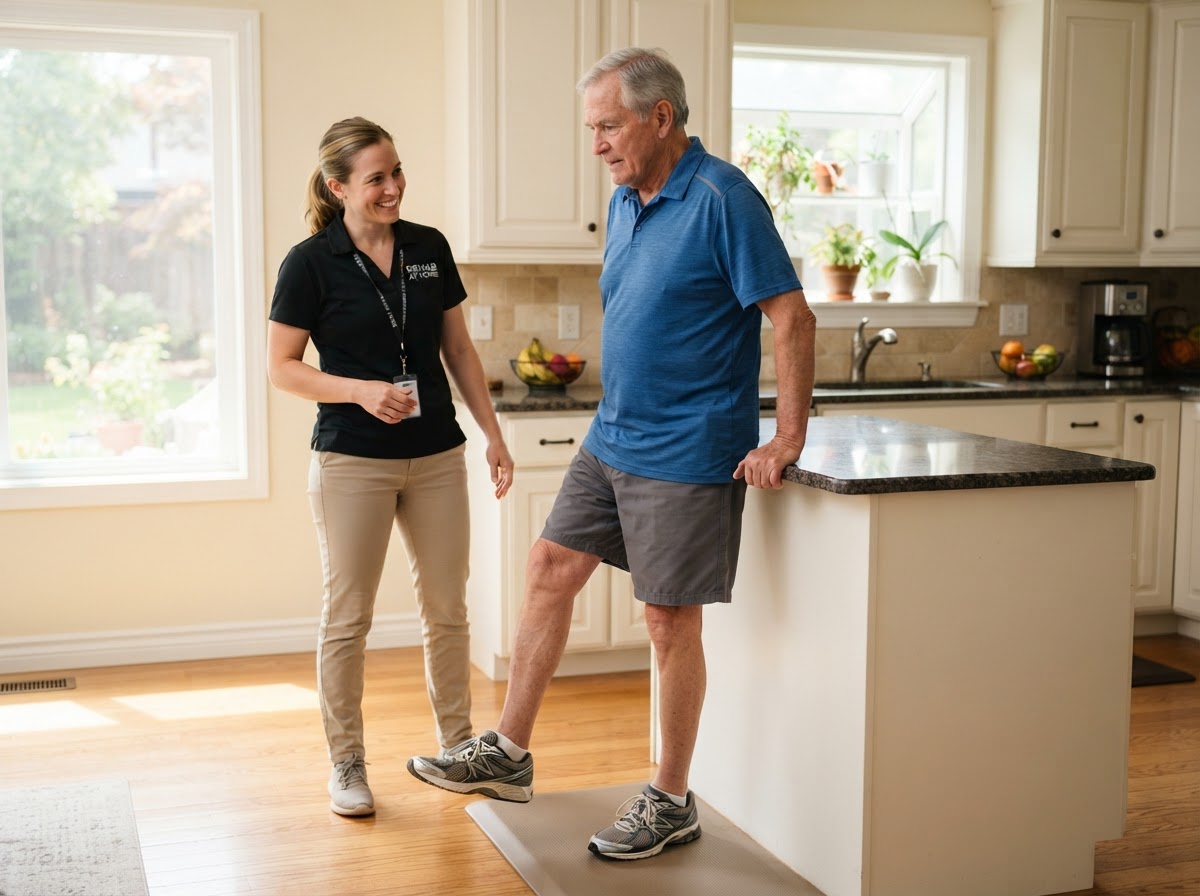
Turning down discomfort may help, but it does not automatically tell us whether sensation, balance, strength, or nerve conduction has changed.

Your feet provide the brain with constant position and pressure information. When that input becomes less reliable, stability can change before pain becomes severe.

An occasional treatment may create a temporary change. A repeatable routine gives the nervous system more opportunities to practice—and gives your clinician better information.
Different conditions can cause similar symptoms. A useful plan begins by understanding the pattern, screening for other contributors, and establishing a baseline for sensation, balance, strength, symptoms, and function.
How PNRS Thinks About Progress
Understand the pattern
Establish a baseline
Build a daily routine
Track meaningful changes
Adjust the plan
Progress is individual. PNRS does not replace medical diagnosis or treatment of an underlying condition.
Stay Informed
Get new articles, simple self-management ideas, and questions to bring to your healthcare team.
A PNRS evaluation is designed to clarify your symptom pattern, measure where you are starting, and determine whether our 90-day approach is appropriate for you.