
When people hear “peripheral neuropathy,” they often think first about burning pain. Pain can be a major part of neuropathy, but it is not the whole story. Peripheral nerves also carry information about touch, temperature, position, muscle activation, and automatic body functions. That is why two people with the same diagnosis may experience very different problems.
One person may have burning feet at night. Another may feel very little pain but notice numb toes, uncertain footing, or difficulty walking in the dark. A third may feel weaker when rising from a chair. If care follows pain alone, important changes in nerve-related function can be missed.
Key takeaway
Feeling less pain is valuable, but a meaningful neuropathy baseline should also consider sensation, balance, strength, walking, and daily function.
1. Symptoms: more than a single pain number
Burning, tingling, pins-and-needles, electric sensations, numbness, and unusual sensitivity can all occur with neuropathy. It helps to record where symptoms occur, when they are most noticeable, and whether they are symmetrical. A simple 0-to-10 rating can make changes easier to see, but it should be paired with a symptom map and questions about daily life.
Symptoms that begin suddenly, affect only one side, or progress rapidly do not fit every common neuropathy pattern. They deserve timely medical attention rather than self-diagnosis.
2. Sensation: what are your feet actually detecting?
Protective sensation helps you notice pressure, temperature, texture, and potential injury. Reduced sensation may make a small cut, blister, or hot surface harder to detect. Clinical testing may include light touch, vibration, or the ability to distinguish two nearby points. The appropriate test depends on the person and should be performed and interpreted by a qualified professional.
The goal is not simply to pass or fail a test. Repeating consistent measures over time can help determine whether sensation is stable, improving, or declining.
3. Balance: how well are your sensory systems working together?
Balance depends on the brain combining information from vision, the inner ear, and sensation from the feet and joints. When foot sensation becomes less reliable, a person may depend more heavily on vision. That helps explain why walking on uneven ground or moving through a dark room may suddenly feel less secure.
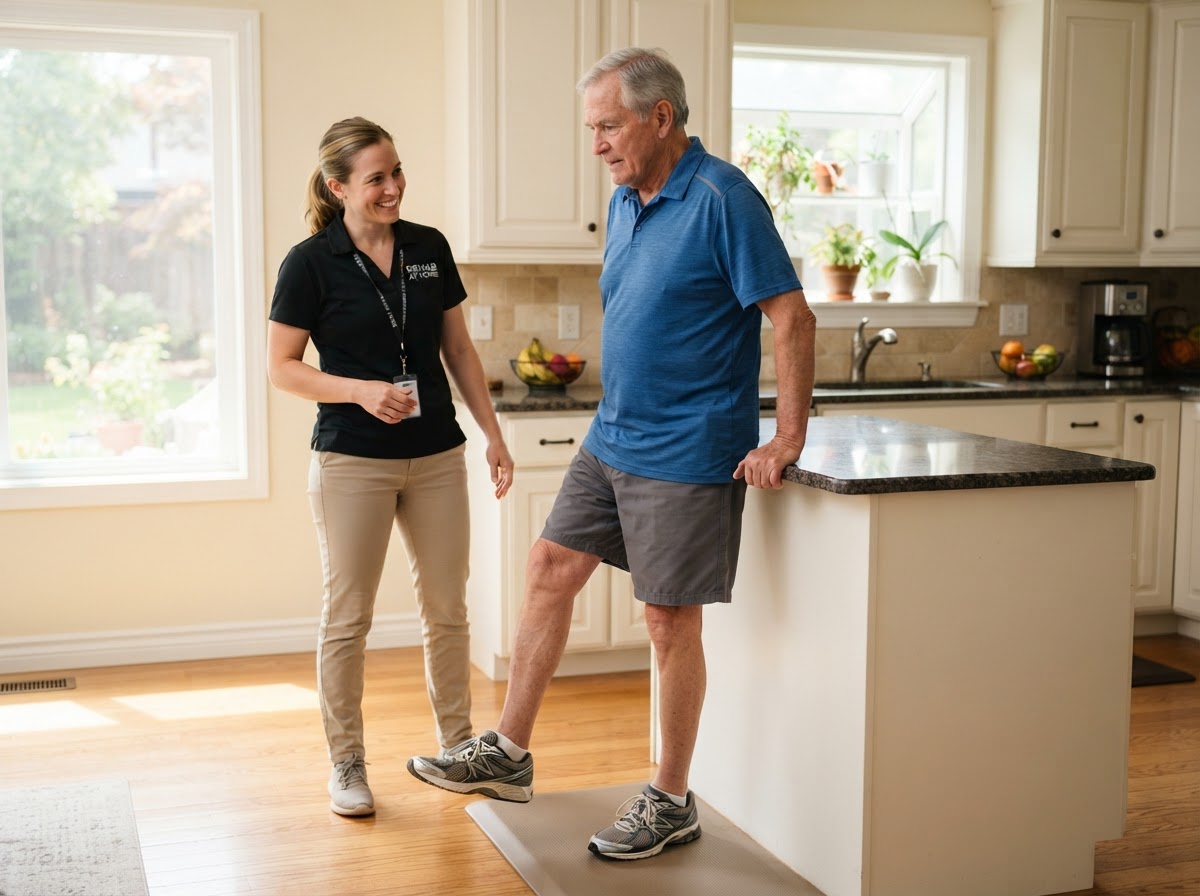
Balance should be assessed safely. Depending on the individual, a clinician may use standing, reaching, or walking measures. A 2024 systematic review found that some physical rehabilitation programs improved balance enough to reduce measured fall-risk categories in people with diabetic peripheral neuropathy, although results varied across studies and intervention types.
4. Strength and walking: can the body respond when balance is challenged?
Sensation helps identify a loss of balance; strength helps correct it. Ankle and leg weakness can make toe clearance, stepping reactions, and rising from a chair more difficult. Useful measures may include repeated sit-to-stand performance, walking speed, gait observation, or targeted strength testing.
These findings also make the plan more personal. Someone with strong legs but poor sensory awareness needs a different emphasis than someone whose main limitation is weakness and endurance.
5. Daily function and confidence: what has neuropathy changed in your life?
Numbers matter only when they connect to real life. Are you avoiding stairs? Holding the wall at night? Skipping walks? Worrying about driving because you cannot feel the pedals as clearly? Confidence is not “just psychological.” It influences activity, independence, and whether a person practices the movements that help preserve function.
Why PNRS starts with a baseline
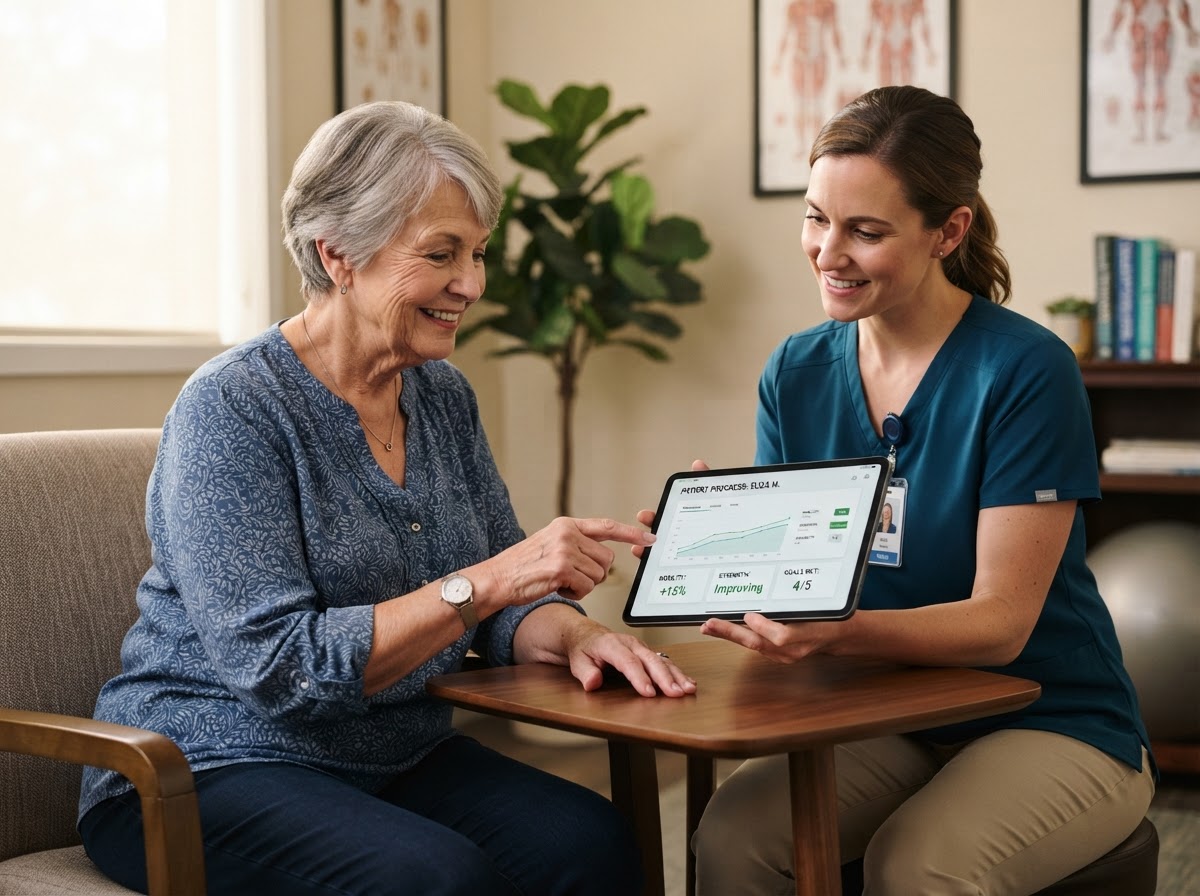
The Peripheral Neuropathy Reset System uses baseline and follow-up measures to make progress visible. The specific measures are selected for the person, but the framework looks beyond pain to sensation, balance, strength, function, and confidence. Daily and weekly tracking adds context: sleep, hydration, activity, symptoms, and follow-through can reveal patterns that a single office visit cannot.
This approach also creates a safety checkpoint. Not every numb or painful foot is caused by the same condition. Diabetes, nutritional deficiencies, medication effects, chemotherapy, thyroid disorders, autoimmune conditions, alcohol use, nerve compression, and other problems may contribute to peripheral nerve symptoms. Identifying and treating an underlying cause remains essential.
Questions to Bring to Your Provider
- What is the likely cause and pattern of my symptoms?
- Do I need medical testing to rule out other conditions?
- How will we measure sensation, balance, strength, and walking?
- Which changes should prompt an urgent call?
- When will we repeat my baseline measures?
References
- Hammi C, Yeung B. Neuropathy. StatPearls Publishing.
- Alissa N, Shipper AG, Zilliox L, Westlake KP. A Systematic Review of the Effect of Physical Rehabilitation on Balance in People with Diabetic Peripheral Neuropathy Who Are at Risk of Falling. Clinical Interventions in Aging. 2024;19:1325-1342. doi:10.2147/CIA.S459492.
- Kleckner IR, et al. An Exercise and Physical Therapy Clinical Pathway for the Assessment and Treatment of Chemotherapy-Induced Peripheral Neuropathy. Supportive Care in Cancer. 2024.