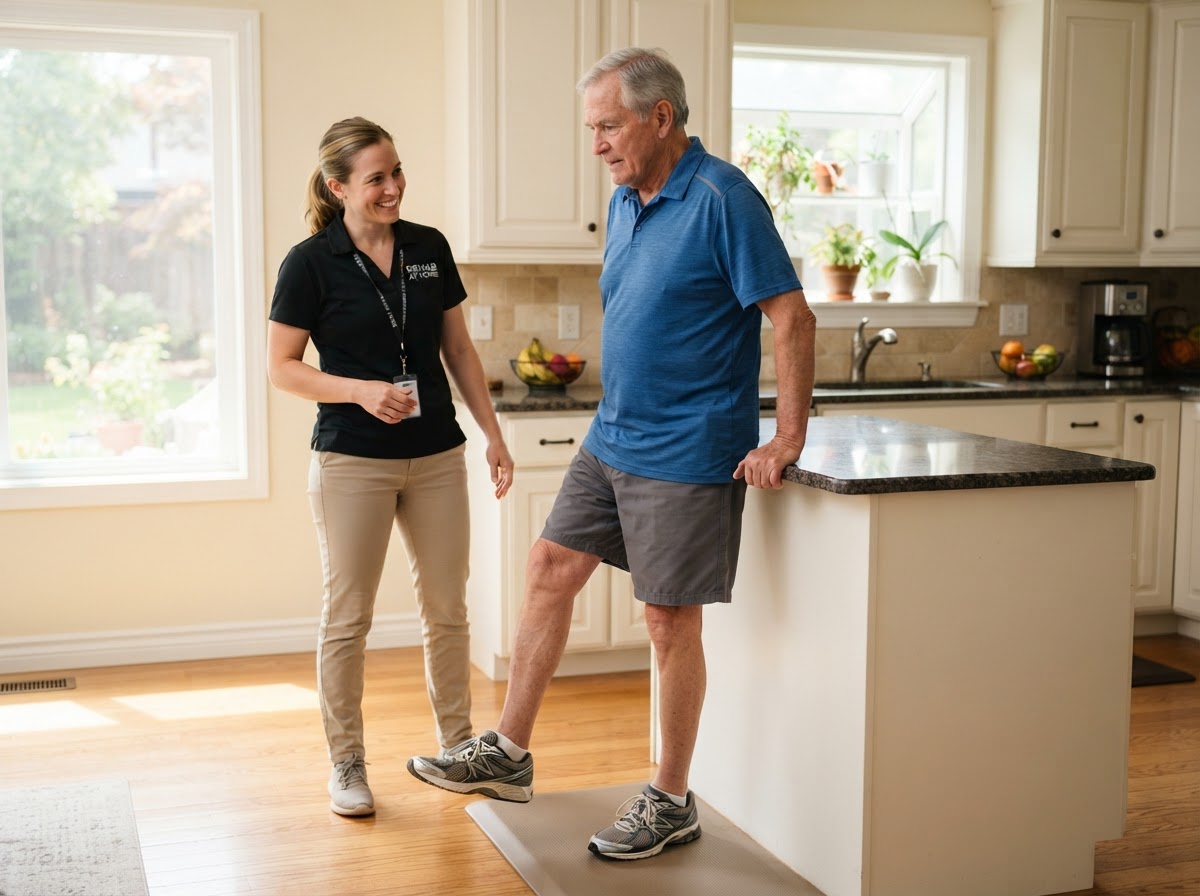

Neuropathy rehabilitation is rarely built on one dramatic session. It is built on what can be repeated safely, measured consistently, and adjusted intelligently. That is why the Peripheral Neuropathy Reset System is organized as a 90-day process rather than a collection of disconnected treatments.
Key takeaway
Consistency does not mean doing the most. It means repeating the right actions often enough to learn from them and make them part of daily life.
The nervous system learns through repetition
The nervous system continually adapts to the information and movement it receives. In rehabilitation, this adaptability is often described as neuroplasticity. Practicing a meaningful task repeatedly can help reinforce coordination, confidence, and more efficient movement strategies. The task must still be appropriate: repetition of an unsafe or poorly matched activity is not automatically beneficial.
Daily home practice matters because clinic visits alone represent a small fraction of the week. A concise home routine creates more opportunities to reinforce safe movement, sensory attention, balance strategies, strength, and recovery habits.
Small habits are easier to sustain
“Exercise more” is not a usable instruction. A specific cue and a small action are easier to repeat. For example, a plan might connect an approved ankle-mobility routine to a regular morning activity, place a short balance drill near a sturdy counter, or schedule a walk after a meal. The exact routine should match the person’s safety needs and clinical findings.
PNRS uses habit stacking: new actions are added gradually while earlier habits continue. This reduces the mental load of starting an entirely new routine each week and lets the clinician see how the person responds before progressing.
Tracking turns effort into useful information
Memory is influenced by today’s symptoms. A written record can reveal trends that are hard to notice in the moment. Useful categories may include:
- Symptom intensity and location
- Sleep quality
- Hydration and nutrition habits when clinically relevant
- Movement or home-session completion
- Balance confidence
- Walking or daily function
- Wins, flare-ups, and questions
Tracking is not about earning a perfect score. It helps answer practical questions: Did symptoms change after poor sleep? Is walking confidence improving even though numbness is slow to change? Is a flare brief, or has it continued for two weeks? Is the plan realistic enough to follow?
Objective measures keep the story honest
Patient experience is essential, and objective measures add another view. Depending on the person, a clinician may repeat selected sensory, balance, mobility, and functional tests. The same method should be used under similar conditions whenever possible.
Improvement can take several forms: lower symptom ratings, clearer sensation, longer safe standing time, faster chair-rise performance, better walking tolerance, or greater confidence in daily activities. Not every measure improves at the same rate.
Why adjustment is part of the plan
A 90-day plan should not mean performing the same routine unchanged for three months. The structure creates time to establish a baseline, practice consistently, review the response, and progress or modify the plan. Symptoms that rise for an extended period, new areas of numbness, declining balance, skin injury, or new weakness should prompt clinical review.
The PNRS approach
PNRS combines education, a personalized daily plan, ongoing tracking, and clinician-guided reassessment. Support can be delivered through different tracks, but the common core is the same: understand the problem, measure the starting point, make daily action practical, and judge progress across symptoms and function—not by hope or memory alone.
PNRS is designed to complement appropriate medical care. Managing diabetes and other underlying contributors, reviewing medications and nutrition with the appropriate professional, and communicating new or changing symptoms remain essential.
Questions to Bring to Your Provider
- Which two or three daily actions matter most for me right now?
- How will I know if I am doing too much or too little?
- Which measures will we repeat, and when?
- What counts as a normal temporary response versus a concerning change?
- How will the plan change if I am not progressing?
References
- Kleckner IR, et al. An Exercise and Physical Therapy Clinical Pathway for the Assessment and Treatment of Chemotherapy-Induced Peripheral Neuropathy. Supportive Care in Cancer. 2024.
- Hammi C, Yeung B. Neuropathy. StatPearls Publishing.
- PNRS Clinical Reference Guide and PNRS Outcome Measures & Tracking Kit, internal program documents.